Complete Guide to Hip and Knee Pain Treatment in Lucknow
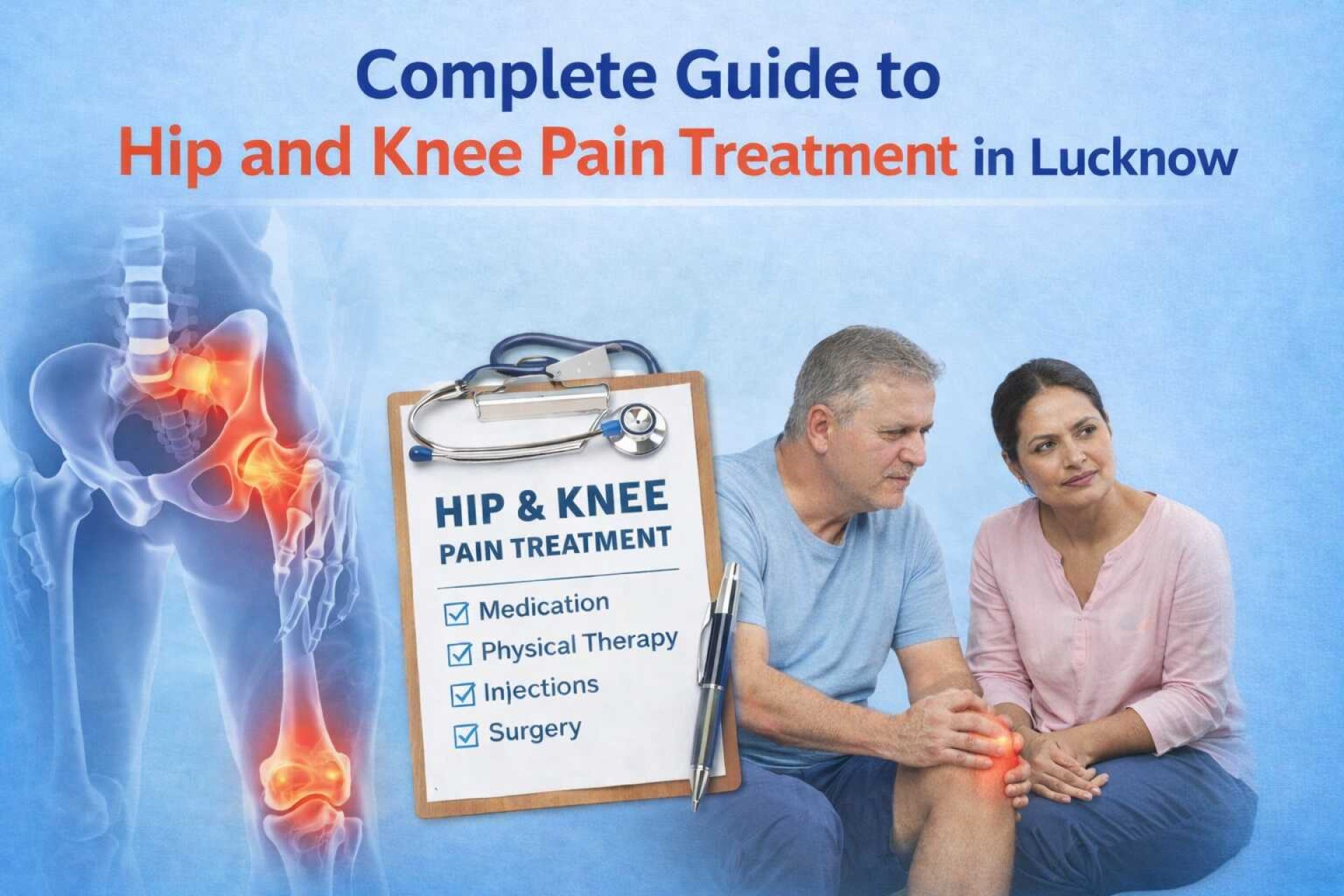
Hip and knee pain are among the most common health complaints today, affecting people of all age groups. From young adults with sports injuries to elderly individuals suffering from arthritis, joint pain can significantly reduce quality of life. When left untreated, it can limit daily activities, cause long-term disability, and even lead to permanent joint damage.
This complete guide will help you understand the causes of hip and knee pain, available treatment options, and how to choose the right care approach. If you are searching for reliable solutions, consulting the Best Orthopedic Doctor in Lucknow is the first and most important step toward recovery.
Common Causes of Hip and Knee Pain
Understanding the root cause is essential for effective treatment. Some of the most common causes include:
1. Osteoarthritis
This is the most frequent reason for chronic hip and knee pain. It occurs when cartilage wears down over time, leading to stiffness, swelling, and pain during movement.
2. Sports Injuries
Ligament tears, meniscus injuries, muscle strains, and fractures are common in athletes and physically active individuals.
3. Obesity
Excess body weight puts continuous stress on joints, accelerating cartilage damage and increasing pain.
4. Postural Problems
Improper sitting posture, long hours of desk work, and lack of physical activity weaken muscles and affect joint alignment.
5. Trauma and Accidents
Road accidents and falls can cause fractures, ligament injuries, or joint dislocations.
Early Symptoms You Should Not Ignore
Many people ignore early joint pain, assuming it will go away. However, timely diagnosis can prevent serious complications. Watch for:
- Pain while walking or climbing stairs
- Morning stiffness lasting more than 30 minutes
- Swelling around joints
- Reduced range of motion
- Clicking or grinding sounds
- Difficulty standing after sitting
If these symptoms persist, seeking guidance from the Best Orthopedic Doctor in Lucknow can help identify the issue early.
Diagnostic Methods for Hip and Knee Pain
Proper diagnosis is the foundation of effective treatment. Orthopedic specialists use:
Clinical Examination
Physical tests to assess pain, joint movement, muscle strength, and alignment.
Imaging Tests
- X-rays to detect arthritis or fractures
- MRI for ligament, cartilage, and soft tissue injuries
- CT scans for complex joint problems
Blood Tests
In some cases, to rule out infections or inflammatory conditions like rheumatoid arthritis.
Non-Surgical Treatment Options
Most patients do not need surgery initially. Conservative treatments can effectively manage pain and improve function.
1. Medications
Pain relievers and anti-inflammatory drugs help reduce swelling and discomfort.
2. Physiotherapy
Customized exercises strengthen muscles, improve flexibility, and stabilize joints.
3. Weight Management
Reducing body weight significantly decreases joint stress and pain.
4. Lifestyle Modifications
Avoid sitting for long periods, use proper footwear, and maintain good posture.
5. Injections
Steroid or hyaluronic acid injections may provide temporary relief in some cases.
These methods are usually tried before considering surgical intervention.
When Is Surgery Required?
Surgery becomes necessary when:
- Pain is severe and persistent
- Joint damage is advanced
- Daily activities become difficult
- Conservative treatments fail
In such cases, patients often look for the Best knee replacement doctor in lucknow or explore Hip replacement in lucknow for permanent relief.
Knee Replacement Surgery Explained
Knee replacement is recommended for advanced knee arthritis. During the procedure:
Damaged cartilage and bone are removed
Artificial joint components are implanted
Joint alignment is restored
Benefits:
- Significant pain relief
- Improved mobility
- Better quality of life
- Long-lasting results (15 to 20 years or more)
Hip Replacement Surgery Explained
Hip replacement is advised when hip joint damage severely affects walking and posture.
Procedure:
The damaged hip joint is replaced with a prosthetic implant
Modern techniques allow faster recovery and minimal scarring
Benefits:
- Pain-free movement
- Improved walking ability
- Reduced dependency on painkillers
- Enhanced daily function
Choosing Hip replacement in lucknow with an experienced surgeon ensures better outcomes and lower risk of complications.
Recovery and Rehabilitation
Post-treatment care is just as important as the treatment itself.
After Non-Surgical Treatment:
- Regular exercises
- Diet control
- Periodic checkups
After Surgery:
- Physiotherapy for 6 to 12 weeks
- Gradual increase in activity
- Avoiding high-impact exercises
- Maintaining healthy body weight
Most patients resume normal daily activities within 6 to 8 weeks after surgery.
Importance of Choosing the Right Specialist
Joint treatment outcomes depend heavily on the experience of the doctor. The Best Orthopedic Doctor in Lucknow offers:
- Accurate diagnosis
- Personalized treatment plans
- Access to advanced technology
- Comprehensive rehabilitation support
An expert specialist ensures that surgery is only recommended when absolutely necessary.
How to Prevent Hip and Knee Pain
Prevention is always better than treatment. Follow these tips:
- Maintain healthy body weight
- Exercise regularly
- Strengthen thigh and hip muscles
- Avoid prolonged sitting
- Use ergonomic chairs
- Wear supportive footwear
- Stay hydrated
Simple lifestyle changes can protect your joints for years.
Conclusion
Hip and knee pain should never be ignored. Whether caused by injury, arthritis, or lifestyle habits, early diagnosis and timely treatment can prevent long-term complications. From medications and physiotherapy to advanced surgical procedures like knee and hip replacement, modern orthopedic care offers effective solutions.
If pain persists despite basic treatments, consulting the Best knee replacement doctor in lucknow or exploring Hip replacement in lucknow can restore mobility and improve your quality of life. With expert guidance from the Best Orthopedic Doctor in Lucknow, patients can confidently move toward a pain-free future.
FAQs
1. When should I consult an orthopedic doctor for joint pain?
- If pain lasts more than two weeks, affects daily activities, or increases with movement, consult a specialist.
2. Is surgery always required for joint pain?
- No. Most cases are treated successfully with non-surgical methods.
3. How long do joint replacement implants last?
- Modern implants can last 15 to 25 years depending on lifestyle and care.
4. Is physiotherapy effective for arthritis?
- Yes. It improves joint flexibility, strength, and reduces pain.
5. Can joint pain return after surgery?
- With proper care and regular exercise, most patients enjoy long-term relief.