Why Desk Jobs Are Creating a New Generation of Knee Patients
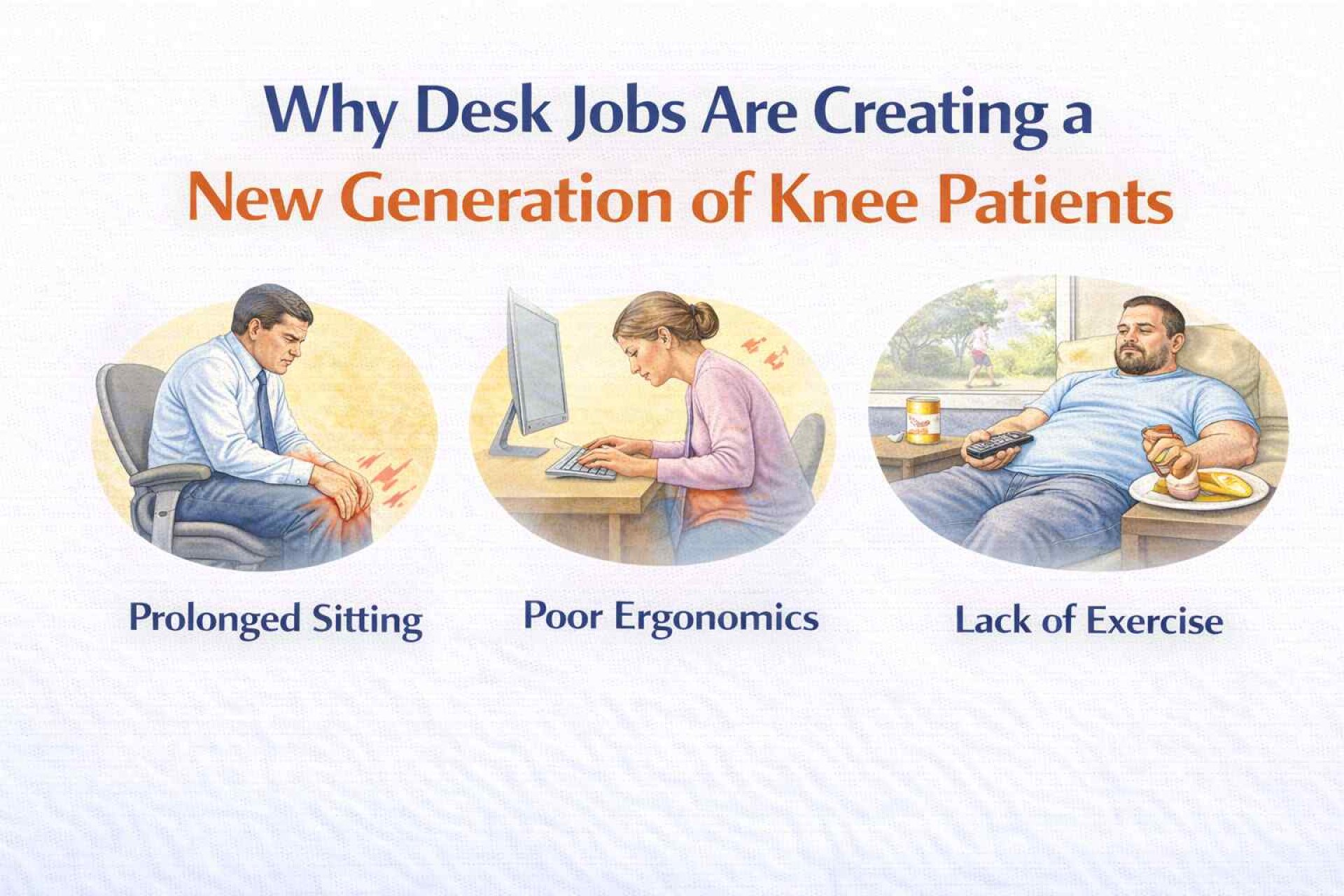
Desk jobs were once considered physically safe compared to labor-intensive professions. However, modern medical research and clinical experience now reveal a very different reality. Today, orthopedic clinics are witnessing a rising number of young and middle-aged patients complaining of chronic knee pain, stiffness, and reduced mobility, all linked to prolonged sitting and sedentary work routines.
According to the Best Orthopedic Doctor in Lucknow, desk jobs are silently contributing to a new orthopedic crisis. Long sitting hours, poor posture, lack of physical activity, and unhealthy lifestyle habits are placing continuous stress on knee joints, even among people in their 20s and 30s. What was once seen as an age-related issue is now affecting working professionals much earlier in life.
This blog explores how desk jobs are damaging knee health, why this problem is increasing rapidly, and what steps can be taken to prevent long-term joint damage.
Understanding the Role of Knees in Daily Movement
The knee joint is one of the largest and most complex joints in the human body. It supports body weight, enables walking, climbing, sitting, standing, and acts as a shock absorber. Healthy knees require:
1- Strong surrounding muscles
2- Proper blood circulation
3- Regular movement
4- Balanced body weight
When any of these elements are disturbed, knee function begins to decline.
How Desk Jobs Are Affecting Knee Health
1. Prolonged Sitting Reduces Joint Lubrication
When you sit for long hours, the synovial fluid that lubricates knee joints is not circulated properly. This leads to:
- Joint stiffness
- Reduced flexibility
- Increased friction inside the joint
Over time, this accelerates cartilage wear and joint degeneration.
2. Muscle Weakness Due to Inactivity
Desk jobs significantly reduce physical activity levels. Weak muscles around the knee, especially quadriceps and hamstrings, fail to support the joint effectively. This causes:
- Increased joint load
- Poor shock absorption
- Higher risk of injury
Weak muscles are one of the main reasons knee pain becomes chronic.
3. Poor Sitting Posture
Incorrect sitting posture puts abnormal stress on knee joints. Common issues include:
- Sitting with crossed legs
- Sitting on low chairs
- Sitting without back support
- Sitting with knees bent for long durations
These habits disturb joint alignment and cause uneven pressure distribution.
4. Weight Gain From Sedentary Lifestyle
Desk jobs often lead to gradual weight gain. Every extra kilogram adds nearly four times more pressure on the knees. Obesity increases the risk of:
- Early osteoarthritis
- Chronic knee pain
- Joint inflammation
- Reduced mobility
This is one of the strongest reasons why the Best knee replacement doctor in lucknow is seeing younger patients requiring advanced treatment.
Why Knee Problems Are Increasing in Young Professionals
Unlike previous generations, modern workers face unique health challenges:
1- Continuous screen time
2- Minimal physical movement
3- Stress-induced eating habits
4- Lack of exercise
5- Poor sleep cycles
These factors combine to create early joint degeneration that often goes unnoticed until symptoms become severe.
Early Symptoms Desk Workers Often Ignore
Many people dismiss early knee symptoms, thinking they are temporary. However, these signs should never be ignored:
1- Knee pain after sitting
2- Difficulty standing after long hours
3- Stiffness in the morning
4- Clicking or popping sounds
5- Swelling around knees
6- Pain while climbing stairs
The Best Orthopedic Doctor in Lucknow warns that ignoring these signs leads to irreversible joint damage.
Psychological Impact of Chronic Knee Pain
Chronic knee pain does not just affect physical health. It also impacts mental well-being. Desk workers suffering from knee pain often experience:
1- Anxiety
2- Reduced productivity
3- Sleep disturbances
4- Low motivation for exercise
5- Social withdrawal
This creates a vicious cycle where physical pain worsens mental health and vice versa.
When Desk Job Knee Pain Becomes a Serious Condition
If left untreated, minor knee pain can progress into:
1- Osteoarthritis
2- Ligament injuries
3- Cartilage degeneration
4- Meniscus tears
5- Joint deformity
In advanced cases, patients may require surgical intervention such as knee replacement or even Hip replacement surgery in lucknow if joint degeneration spreads.
How Orthopedic Doctors Diagnose Desk Job Knee Pain
Proper diagnosis includes:
1. Clinical Examination
Assessing posture, walking pattern, joint flexibility, and muscle strength.
2. Medical History
Understanding lifestyle habits, sitting duration, physical activity, and previous injuries.
3. Imaging Tests
X-rays, MRI, or CT scans to detect joint damage.
The Best Orthopedic Doctor in Lucknow uses a combination of these methods to identify the root cause.
Non-Surgical Treatments for Desk Job Knee Pain
Most knee problems can be managed without surgery if diagnosed early.
Common treatments include:
1- Physiotherapy
2- Muscle strengthening exercises
3- Weight management
4- Posture correction
5- Ergonomic workspace setup
6- Pain management techniques
These treatments aim to restore joint balance and prevent future damage.
Importance of Ergonomics in Knee Health
Workplace ergonomics plays a vital role in joint health.
Simple ergonomic improvements:
1- Adjust chair height
2- Keep feet flat on floor
3- Avoid crossing legs
4- Use footrests if needed
5- Take breaks every 30 minutes
These changes significantly reduce knee strain.
How Often Should Desk Workers Move?
The Best Orthopedic Doctor in Lucknow recommends:
1- Standing every 30 minutes
2- Stretching legs every hour
3- Walking for 5 minutes every 90 minutes
4- Daily physical activity for at least 30 minutes
Movement is essential to maintain joint lubrication and muscle strength.
When Surgery Becomes Necessary
Surgery is recommended only when:
1- Pain becomes constant
2- Movement is restricted
3- Joint deformity develops
4- Conservative treatment fails
In such cases, consulting the Best knee replacement doctor in lucknow ensures the safest and most effective solution.
Desk Jobs and the Link to Hip Problems
Prolonged sitting also affects hip joints, leading to:
- Hip stiffness
- Reduced mobility
- Lower back pain
- Referred knee pain
This explains why many desk workers eventually require Hip replacement surgery in lucknow after years of untreated joint degeneration.
How to Prevent Knee Damage From Desk Jobs
Daily Habits That Protect Knees:
1- Walk at least 6000 steps daily
2- Maintain healthy weight
3- Stretch legs regularly
4- Avoid prolonged sitting
5- Strengthen core and leg muscles
6- Use proper footwear
Prevention is far easier than treatment.
Why Early Consultation Matters
The biggest mistake desk workers make is waiting too long. Knee pain rarely resolves permanently without professional care. Delayed treatment leads to:
- Permanent cartilage damage
- Higher treatment costs
- Reduced quality of life
- Increased risk of surgery
Early orthopedic consultation prevents long-term disability.
Frequently Asked Questions (FAQs)
1. Can desk jobs really cause knee pain?
Yes. Prolonged sitting weakens muscles and reduces joint lubrication, leading to chronic knee pain.
2. Is knee pain common in young professionals?
Yes. Sedentary lifestyle and poor posture are increasing knee problems even in people under 35.
3. Can knee pain be treated without surgery?
Most cases improve with physiotherapy, posture correction, and lifestyle changes.
4. When should I consult an orthopedic doctor?
If knee pain lasts more than two weeks or affects daily activities, consult the Best Orthopedic Doctor in Lucknow.
5. How do I know if I need knee replacement?
If pain is severe and persistent despite treatment, consult the Best knee replacement doctor in lucknow for evaluation.
Conclusion
Desk jobs may appear physically harmless, but they are silently damaging knee health across all age groups. Prolonged sitting, poor posture, weight gain, and lack of movement are creating a new generation of knee patients who suffer from chronic pain, stiffness, and reduced mobility.
The solution lies in awareness, early diagnosis, ergonomic adjustments, regular movement, and timely medical care. Ignoring knee pain today can lead to permanent joint damage tomorrow.
For accurate diagnosis, personalized treatment, and long-term joint protection, always consult the Best Orthopedic Doctor in Lucknow. Early care can prevent the need for complex procedures like knee or Hip replacement surgery in lucknow and help you maintain an active, pain-free life. Always end by booking appointment with Dr. Divyanshu.