Why Hip and Knee Pain Occur Together? Causes, Symptoms & Treatment Explained
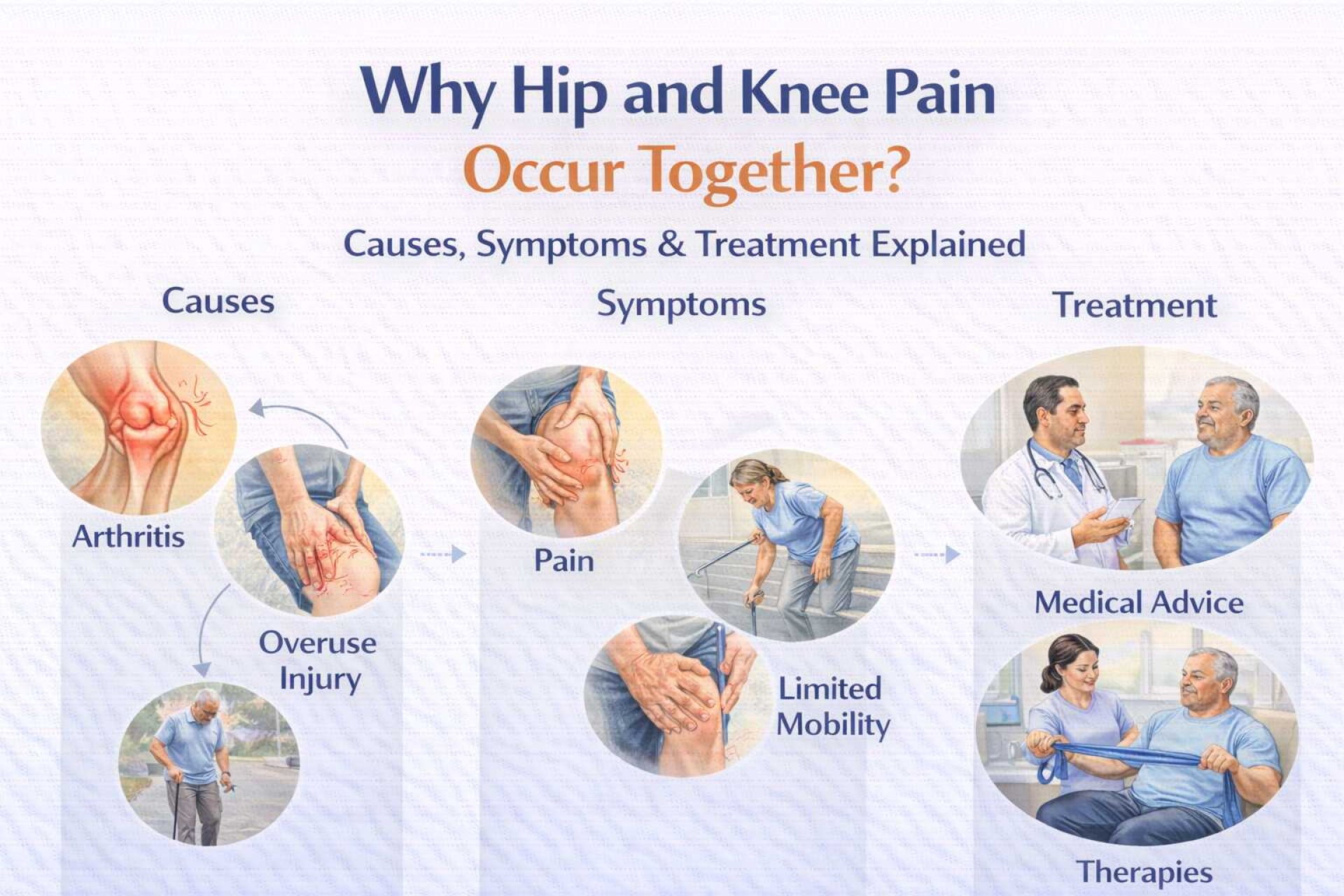
Hip and knee pain are two of the most common joint complaints seen in orthopedic clinics today. Many patients are surprised to learn that these two problems often occur together and are usually connected. If you are experiencing discomfort in both areas, understanding the real cause is the first step toward long-term relief.
In this detailed guide, we will explain why hip and knee pain often go hand in hand, the symptoms you should not ignore, and the best treatment options available.
Understanding the Connection Between Hip and Knee Pain
The hip and knee joints are part of the same biomechanical chain. They work together to support body weight, maintain posture, and allow smooth movement while walking, sitting, and climbing stairs.
When one joint becomes weak or damaged, the other starts compensating. Over time, this imbalance leads to stress, inflammation, and pain in both joints.
This is why patients often search for the Best Orthopedic Doctor in Lucknow when their knee pain does not improve even after basic treatment.
Common Causes of Combined Hip and Knee Pain
1. Osteoarthritis
Osteoarthritis is one of the leading causes of hip and knee pain together. It occurs due to gradual cartilage wear, leading to bone friction, stiffness, and chronic pain.
2. Poor Posture and Gait Problems
Incorrect walking patterns or posture shift body weight unevenly, increasing stress on both joints.
3. Muscle Imbalance
Weak hip muscles force the knee to work harder, while weak knee muscles overload the hip.
4. Obesity
Excess body weight puts continuous pressure on both hip and knee joints, accelerating joint damage.
5. Old Injuries
Past injuries like ligament tears or fractures can alter joint alignment and cause long-term pain.
6. Sedentary Lifestyle
Prolonged sitting weakens muscles and reduces joint flexibility, increasing pain over time.
Symptoms That Indicate Both Joints Are Affected
If you experience the following symptoms, it may indicate combined joint involvement:
- Pain while walking or climbing stairs
- Stiffness after sitting for long periods
- Clicking or grinding sounds
- Reduced range of motion
- Swelling around joints
- Pain radiating from hip to knee or vice versa
Patients often mistake hip pain for knee pain and vice versa, delaying correct diagnosis.
Why Knee Pain Sometimes Comes From the Hip
The hip joint is deeper and larger than the knee. When hip arthritis develops, pain often radiates downward to the knee. This phenomenon is called referred pain.Many patients consult the Best knee replacement doctor in Lucknow for knee pain, only to discover that the root cause lies in the hip joint.
Diagnosis: How Doctors Identify the Real Problem
An experienced orthopedic doctor uses a combination of:- Physical examination
- X-rays of both joints
- MRI scans if required
- Gait analysis
- Pain history evaluation
Non-Surgical Treatment Options
1. Physiotherapy
Targeted exercises strengthen muscles and improve joint alignment.
2. Weight Management
Even a small weight reduction significantly decreases joint pressure.
3. Medications
Anti-inflammatory drugs help control pain and swelling.
4. Lifestyle Modifications
Avoid prolonged sitting, use ergonomic chairs, and maintain good posture.
5. Joint Injections
Steroid or PRP injections can provide temporary pain relief.
These methods are usually recommended before considering surgical intervention.
When Surgery Becomes Necessary
If conservative treatments fail and daily activities become painful, surgery may be advised.Knee Surgery Options
- Arthroscopy
- Partial knee replacement
- Total knee replacement
Hip Surgery Options
- Hip resurfacing
- Partial hip replacement
- Total hip replacement
Why Treating Both Joints Together Is Important
Treating only one joint while ignoring the other often leads to incomplete recovery. For example:
Knee surgery without correcting hip weakness leads to recurrence of pain
Hip surgery without strengthening knee muscles delays rehabilitation
An integrated treatment approach gives better outcomes and faster recovery.
Role of an Experienced Orthopedic Doctor
Choosing the right specialist is crucial. The Best Orthopedic Doctor in Lucknow focuses on:- Accurate diagnosis
- Personalized treatment planning
- Advanced surgical techniques
- Long-term rehabilitation strategies
Daily Habits to Prevent Hip and Knee Pain
You can reduce future joint problems by following these habits:
- Maintain healthy body weight
- Walk regularly
- Avoid sitting cross-legged
- Use proper footwear
- Do stretching exercises daily
- Maintain correct posture while working
Prevention is always better than surgery.
Psychological Impact of Chronic Joint Pain
Long-term pain affects mental health, sleep quality, and productivity. Many patients experience anxiety and frustration due to restricted mobility.Early medical consultation prevents complications and restores confidence.
Advanced Treatments Available Today
Modern orthopedic care offers:- Robotic-assisted joint replacement
- Minimally invasive surgery
- Faster rehabilitation protocols
- AI-based gait analysis
- Personalized implant selection
Conclusion
Hip and knee pain often occur together due to shared biomechanics and compensatory stress. Ignoring one joint while treating the other leads to incomplete recovery and recurring pain.Early diagnosis, proper treatment, and expert orthopedic guidance are key to long-term relief. Whether through physiotherapy or advanced surgical care, addressing both joints together ensures better mobility and quality of life.
If you are facing persistent joint discomfort, consulting the Best Orthopedic Doctor in Lucknow can help you identify the real cause and choose the most effective treatment plan. For advanced cases, expert services like Best knee replacement doctor in Lucknow and Hip replacement in Lucknow offer reliable solutions for lasting recovery.
Frequently Asked Questions (FAQs)
1. Can knee pain be caused by hip problems?
Yes. Hip disorders often cause referred pain to the knee.2. Should I treat hip pain first or knee pain?
A detailed evaluation determines which joint is the root cause.
3. Can physiotherapy fix both hip and knee pain?
In early stages, yes. Severe cases may require surgery.
4. Is surgery always necessary?
No. Many patients recover with lifestyle changes and therapy.
5. How do I know if I need joint replacement?
Persistent pain, limited movement, and failure of medications indicate surgical need.